Good Morning,
There are small signs beginning to appear that BigTech won’t be the same after the AI boom.
Just a little note on Alphabet’s bifurcating Earnings. Google just released maybe the most disappointing Earnings in its history. I don’t say that lightly. While its Search business declines, it’s investing into TPUs and Google Cloud successfully, finally diversifying its business model to be a bit more sustainable as a Hyperscaler incumbent.
The transition is so bumpy, you’d be hard pressed not to question the plan.
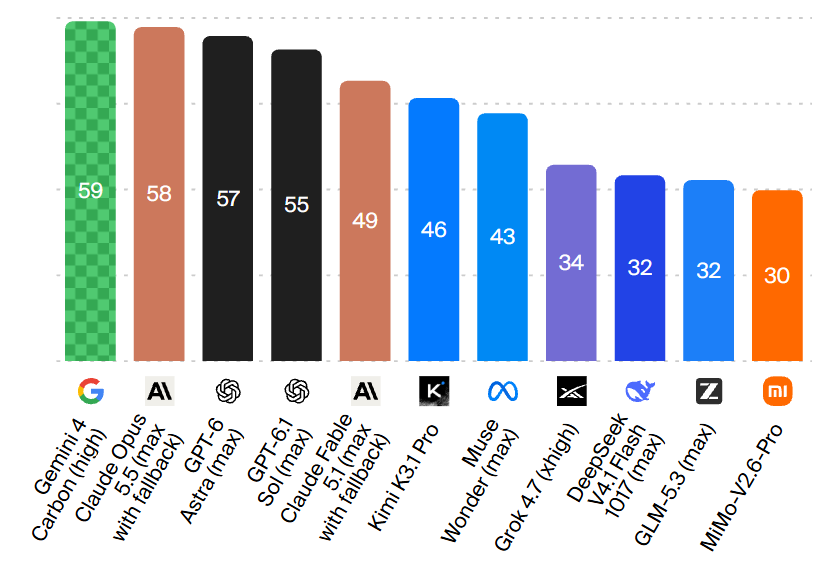
Google release Gemini 4 Carbon, their strongest model with state-of-the-art cybersecurity and long horizon capabilities.
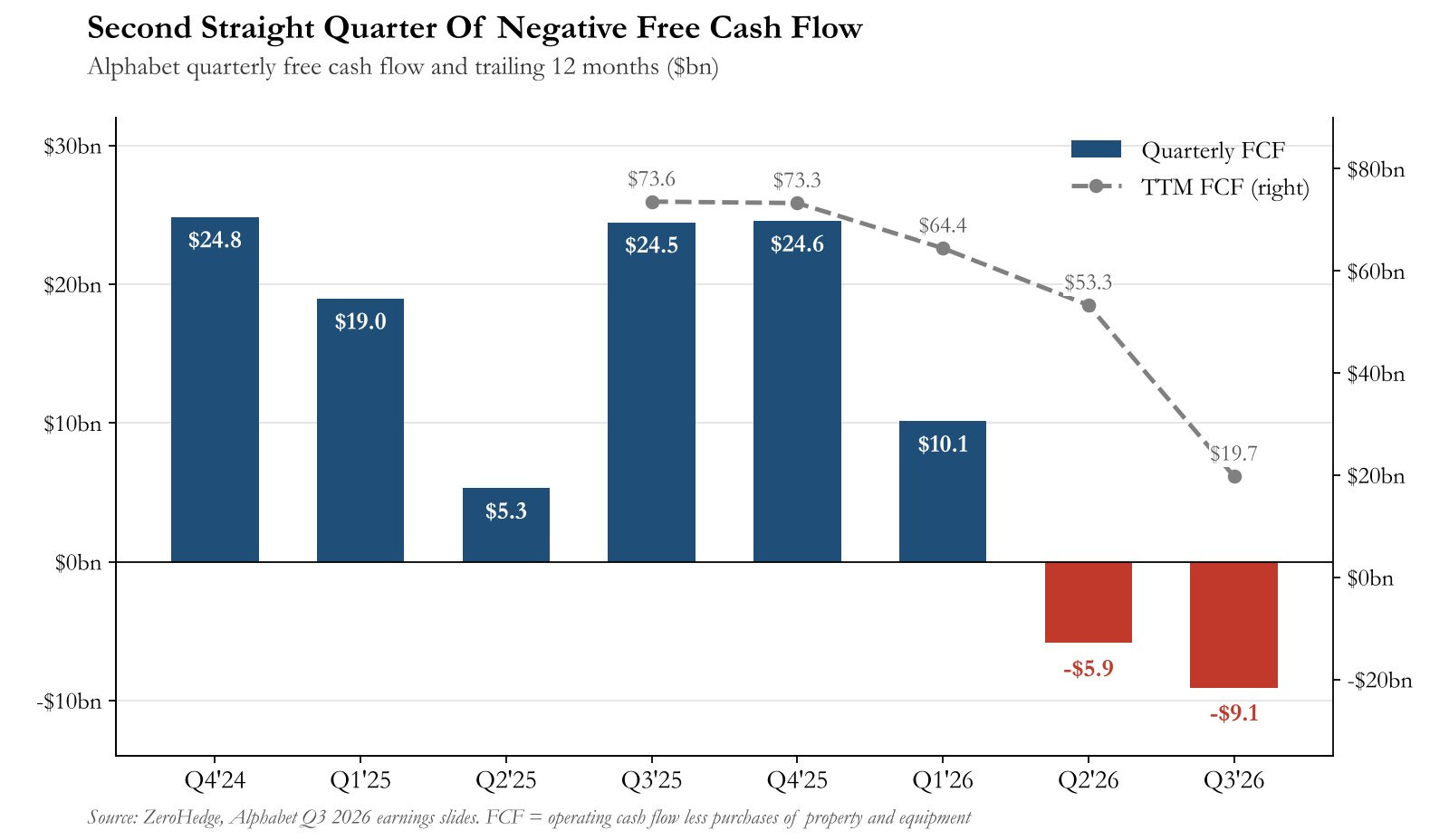
Alphabet reported negative free cash flow (FCF) of $9.07 billion during the third quarter.
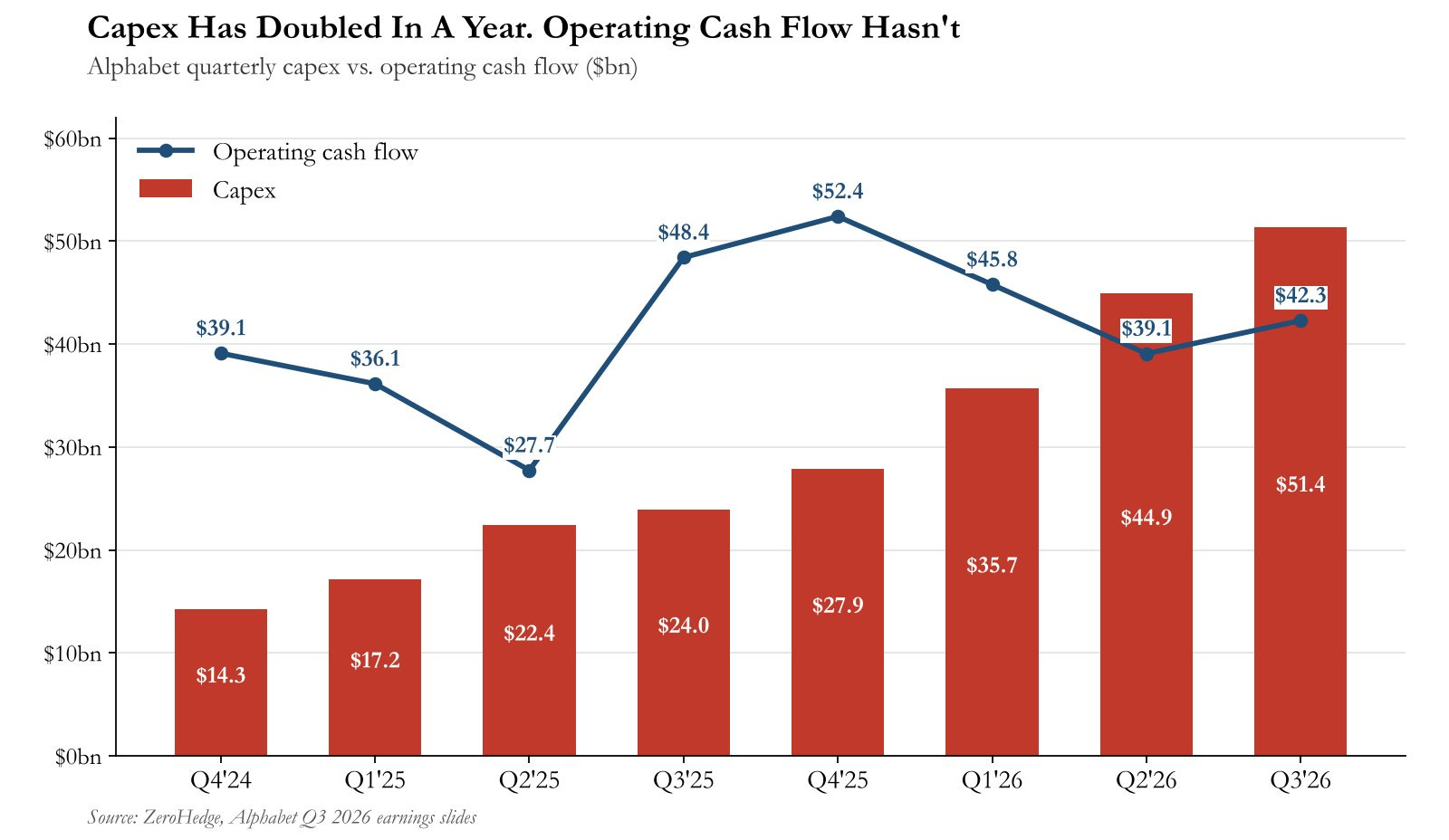
Google’s Capex rose 114% y/y to $51.4bn (below est $55.8bn). But operating cash flow fell 13% y/y to $42.3bn, far short of the $53.9bn consensus.
Hyperscalers are Entering Awkward Years Ahead
Capex is eating into Operating cash flow.
Alphabet’s TPU and Cloud Business is Upon Us
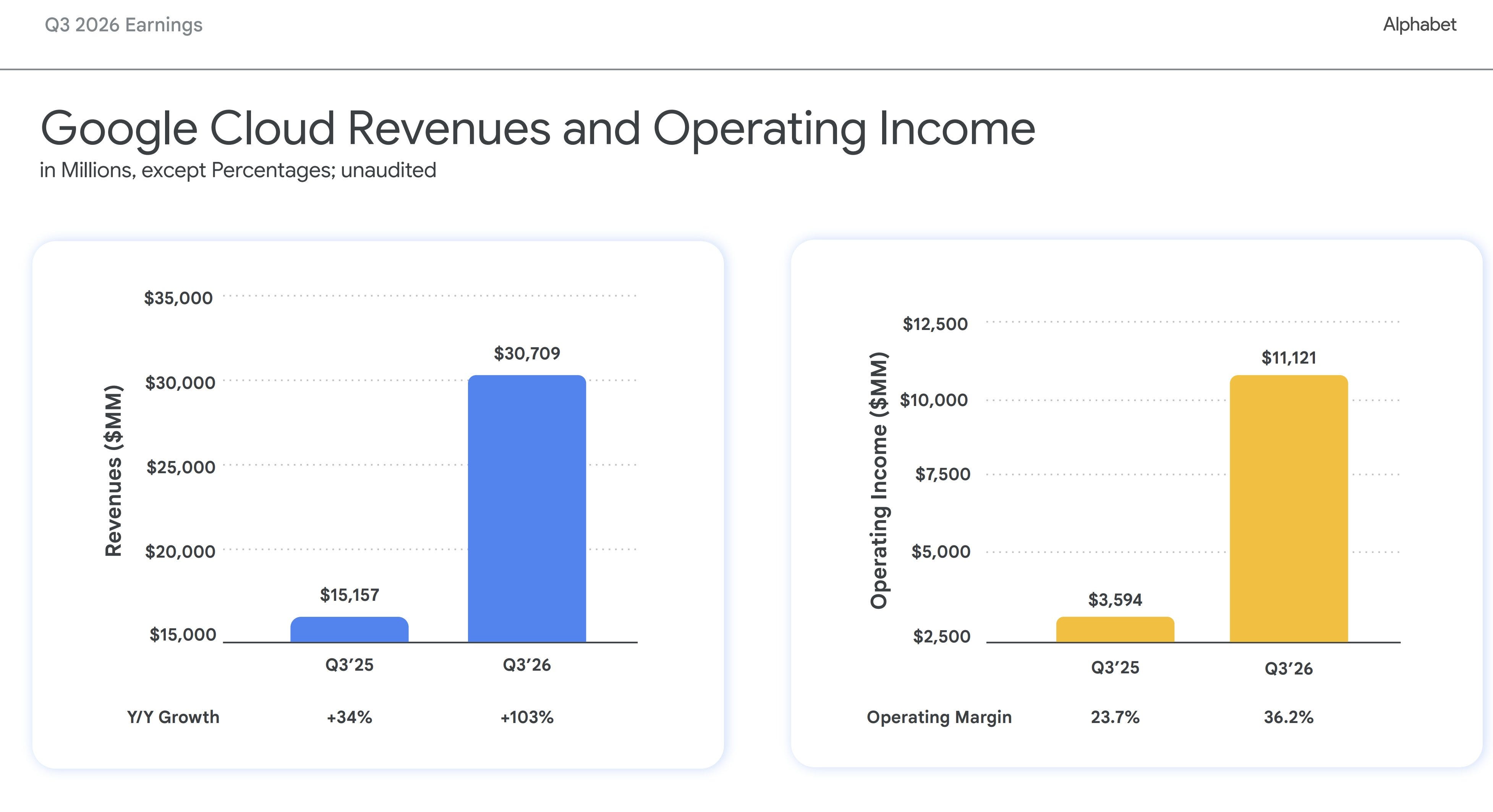
Google Cloud revenue doubled year-over-year, reaching $30.7 billion (up 103% YoY from Q3 2025).
Cloud operating income tripled to $11.1 billion, expanding the unit's operating margin to 36.2%.
Alphabet reported free cash flow of (negative) -$9.07 billion in Q3 2026.
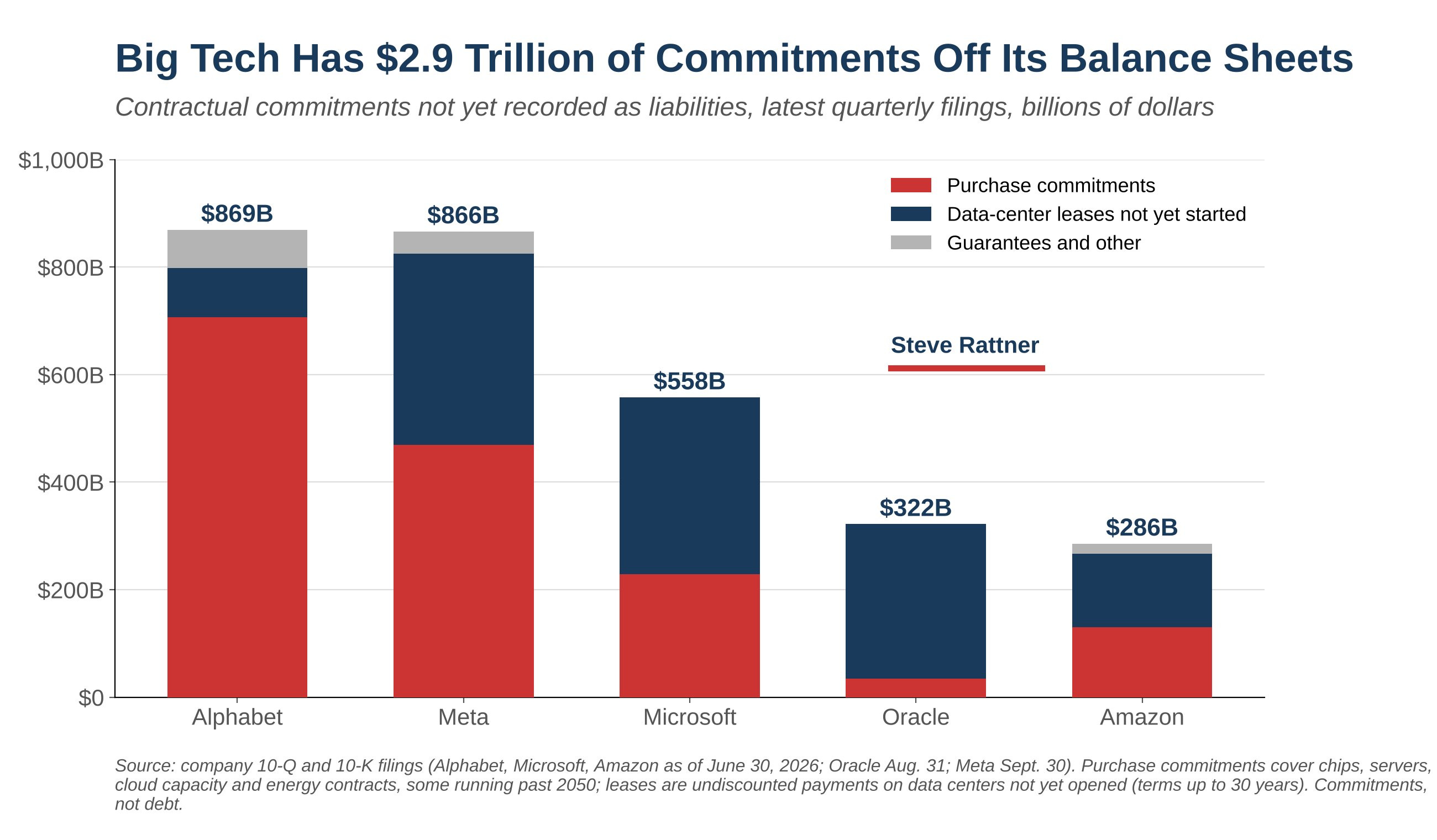
Long-term debt is up +479% in a year, to $125.1B. Not counting debt off the books obviously.
Incumbents won’t survive the way we remembered them, the shift is already occurring.
‘Don’t be Evil’ in Overspending

Is Capex Even Sustainable?
There are serious concerns for Hyperscalers and their Capex to negative FCF. Capital expenditure ballooned to $51.4 billion in Q3 (+114% YoY), primarily allocated to data center expansions, server hardware, and TPU inventory buildouts. Google’s AI chips (TPUs) are going to be a great business, likely the number #2 ahead of AMD chasing Nvidia by the end of the decade.
Google’s Cash burn is not great: Massive CapEx outlays, paired with a $5.2B European Commission regulatory fine payment, resulted in a negative free cash flow of -$9.1 billion for the quarter.
Google’s FCF was essentially $7 Billion less than analysts expected. The stock will have a likely hard end to the week. . (Down 9% after hours on Oct 28).
Google Search and YouTube growth is anemic, certainly not what we’ve expected from BigTech over the last few decades. They are essentially being beaten in AI by both Anthropic and OpenAI. Where are the bright spots?
Google Claims Carbon is better than Opus 5.5.
But for how many days, weeks and can they replicate it in a good cadence?
Too Big to Fail but a $4 Trillion Company?
Google’s revenue is still $127.6 Billion and grew 25%, but there are structural issues now at the company. Spending big for an uncertain future: Alphabet maintained its full-year capex forecast after lifting guidance to between $195 billion and $205 billion during Q2.
TPU sales are included in Google’s Cloud Revenue, so they can pretend to be something they are not.
Post Q3 Earnings, the future of Google is now open for debate.
The Future of Search is Murky
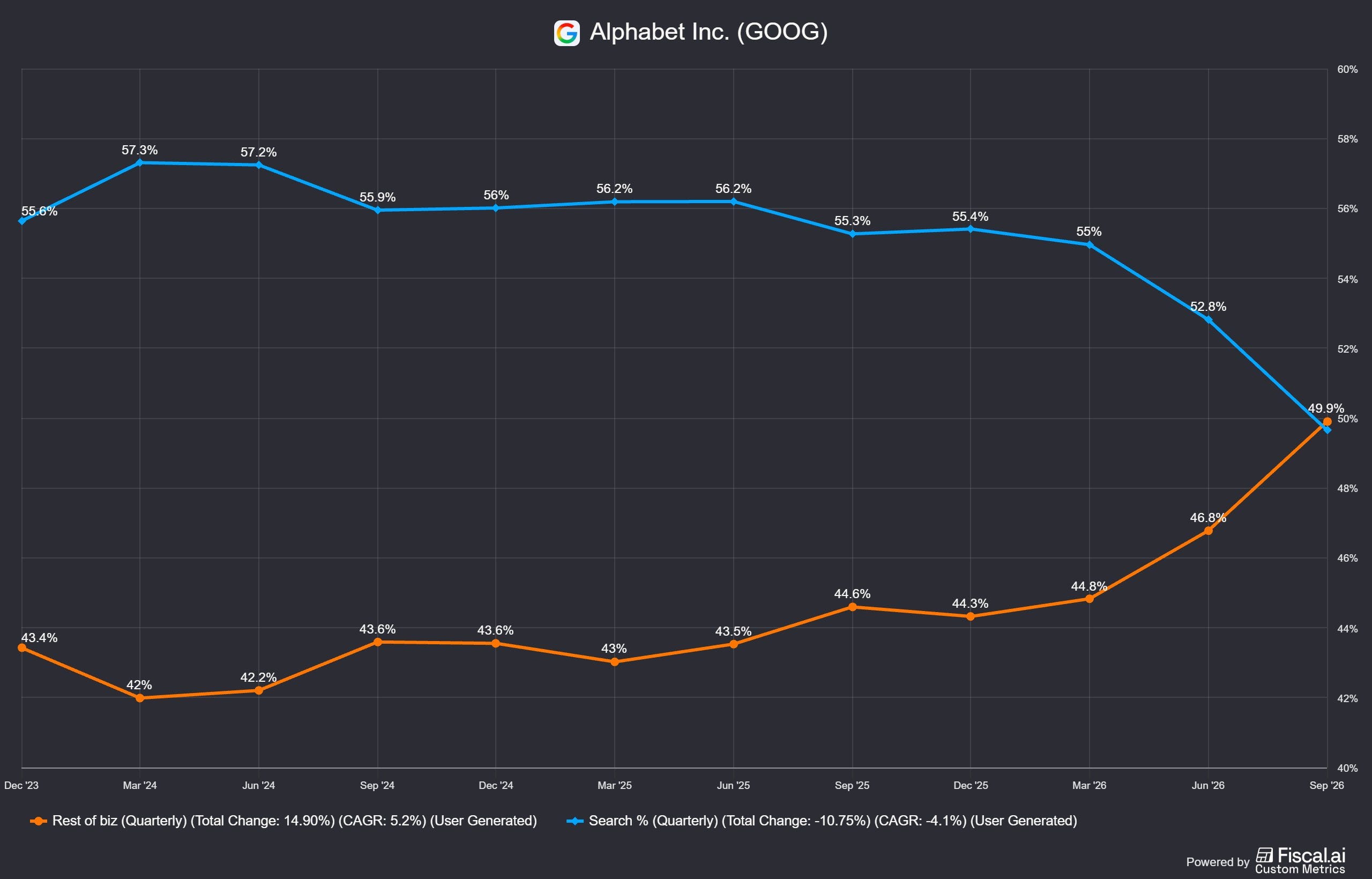
So many dualities in Alphabet’s Earnings. So while outbound search clicks from Google to external websites are in a state of measurable (and incredible) decline, this even as total Google search query volume remains high or continues to grow. How do you monetize zero click journeys well? It’s the beginning of the end of an era.
BigTech in the Era of BigAI?
Alphabet missed expectations on both the top and bottom lines for Q3 2026. I don’t even remember the last time that occured. [It was 4 years ago, Q3 2022 (reported in October 2022).] Some incumbents are likely spending too much on Capex while taking out too much debt in business models that aren’t diversified or well fortified for what’s coming.
In 2026 there was yet another exodus of key core AI talent in its ranks at Google.
Advertising revenue missed by $1.4 Billion. This is the worst Alphabet Earnings I’ve ever seen. If Google is in decline what does it mean for he future of AI? As a whole for the company, net income fell to $26.17 billion, or $2.12 per share, down from $34.98 billion, or $2.87 per share, a year ago. On paper it looks like 2026 is a transition year for Alphabet, although it could be a sign of something bigger taking place here.
Will Google be an AI Chip Leader?
Cash flow going this deeply negative might be a sign of things to come not just for Google, but Meta and other incumbents.
Can TPU sales make up for the general malaise of the business in the 2027 to 2030 period?
Alphabet’s total cloud backlog expanded to $561 billion. How much of that is just for TPUs?
More than Half (52%) of Anthropic’s planned AI chip spending are TPUs.
Circular financing could save Google though, and here’s how via their massive equity stake in Anthropic and is commitments. Google TPUs account for the largest share of Anthropic’s planned infrastructure spending, totaling roughly $401 billion to $426 billion (representing about 52% of their total multi-year compute commitments).
Alphabet's long-term debt rose 479%. Google is betting on being an Nvidia competitor.
Google’s Search Ads business is basically stagnating, at $63.4B, up 12% YoY.
Alphabet’s stock could be down in 2026 and I wouldn’t be at all surprised. This is literally a different company than we used to know. Google doesn’t feel like a company with a bright future.
Google Earnings Call Quote: "It's worth noting that the strong growth in AI mode queries had an impact because of the lower monetization we were seeing in AI mode."
Google, you did it to yourself! You managed to show that your pivot is disruptive to your own business. The secular decline of Google is tangible now, the pockets of fear are starting to spread. While I think TPUs and Waymo are great businesses, Google will have to vastly reinvent itself to survive long-term. Given from what I’ve seen on LLM execution the last 18 months, I’m not sure it will be easy.
Google’s Reputation as a Cash Machine is Faltering
2027 is going to be when TPUs really start to rampt. On the Earnings Call, Alphabet did note that while TPU system sales already began contributing to recognized quarterly revenue, the company is actively building up massive hardware inventory ahead of delivery schedules. They might have to get into orbital compute or do some M&A.
Outside of business from Anthropic, is Google Cloud even growing that well? I have my doubts. We used to know Google as a cash machine generator, but it looks like those days are over.
I have a material concern for what Google might become if its core Search Advertising businesses continues to decline like this. It can patch in other areas, but they are unlikely to be as strong or as monopolistic. Google’s best days are probably well behind it now. Founded in 1998, the 2030s will be too fast for its internet days and legacy. Other companies will get their turn and the entire Advertising model Google and Meta depends upon, looks fragile.
Google’s pivot to AI mode and Gemini has materially hurt their best business. They did it to themselves.
Thanks for reading!
Addendum Note and AI Infographics
The level of circular financing we are seeing in the era of BigTech Capex and off the books debt is not sustainable imho:
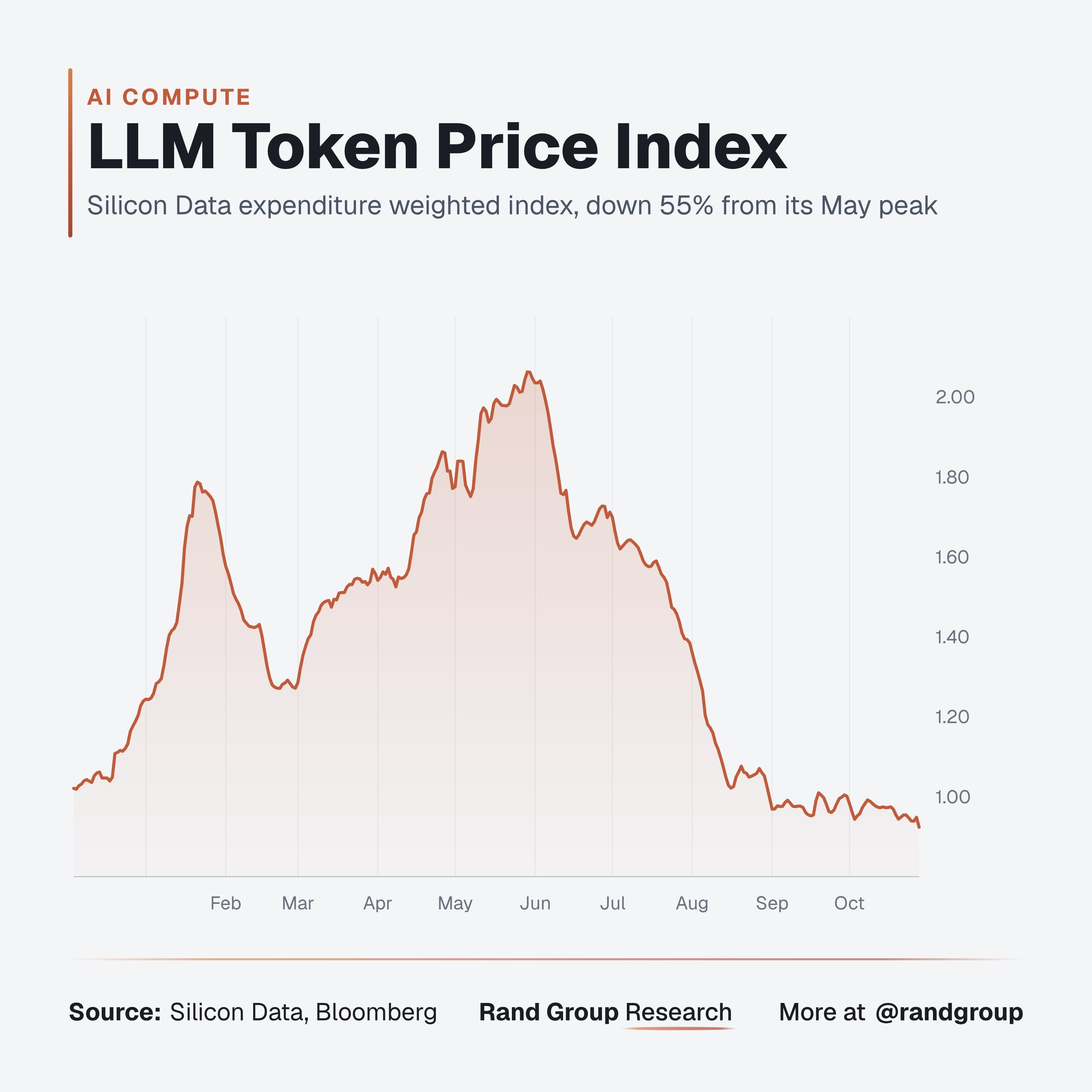
Token Prices are Plummeting
LLM token prices down 55% from the May top and now below where they started the year. What to watch: How far will Chinese models disrupt this further in 2027?
Meta and Google Make Negative FCF the New Normal
Alphabet and Meta should be causing alarm bells to go off. They are gambling for an uncertain future.
Google Search as a Percentage of Revenue is now Below 50% for the First Time
Is Anthropic still Token Spend King?
Spending on Anthropic models on OpenRouter hit a new peak last week, up 47% from the summer high during the week of June 8.
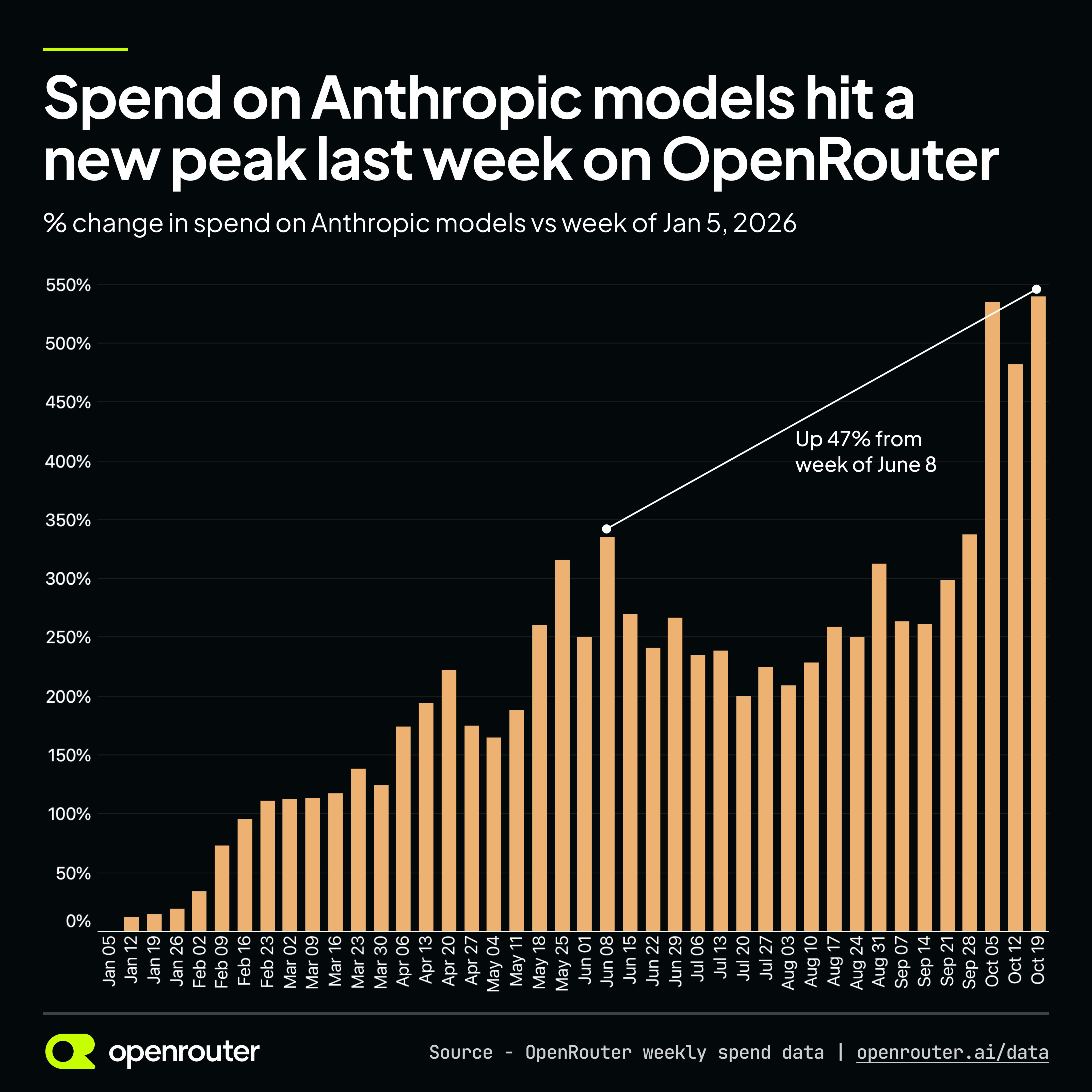
While Amazon and Alphabet have incredible equity stakes and tangible partnerships with Anthropic, this also makes them vulnerable. As the Cloud becomes more competitive, how long before Anthropic and OpenAI start their own Clouds?
Downstream Infra Spending
In a nutshell, nearly all of the earnings growth is going to those supplying the AI. While firms like TSMC, SK Hynix, Micron and others are using that capital to build more Fabs and capacity.
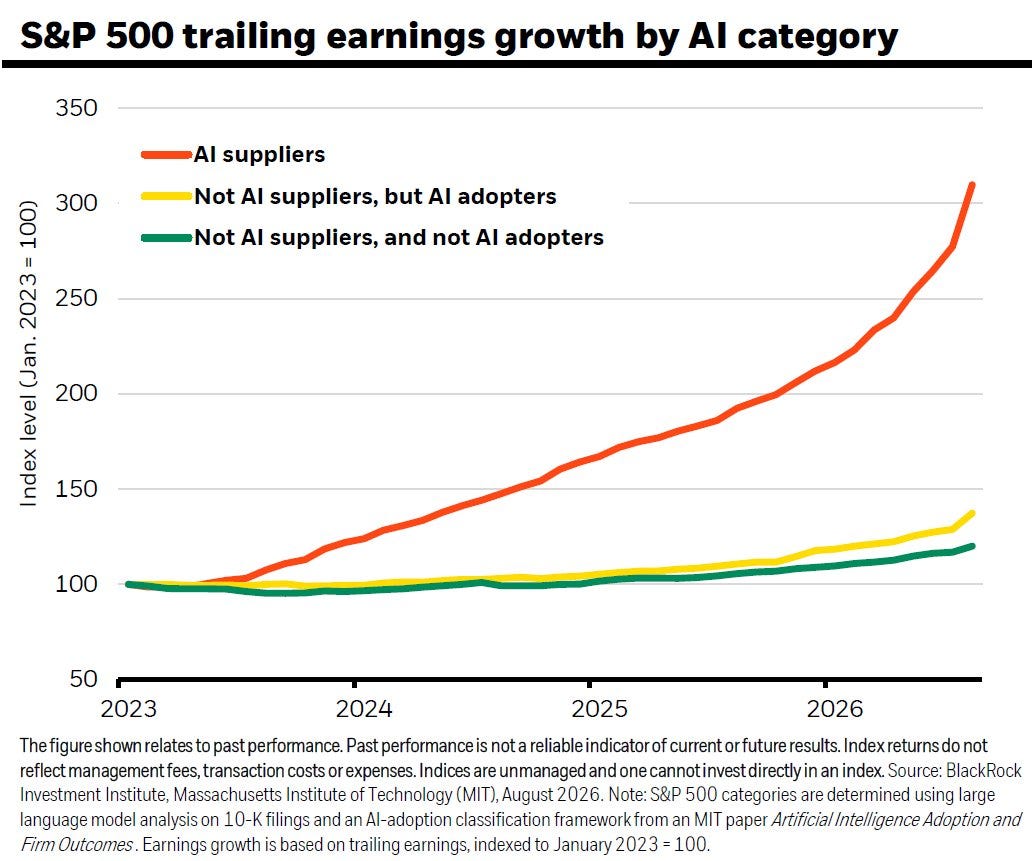
The world is changing fast, and some of the biggest companies in the world will have trouble adapting.